 Accessibility Information
About
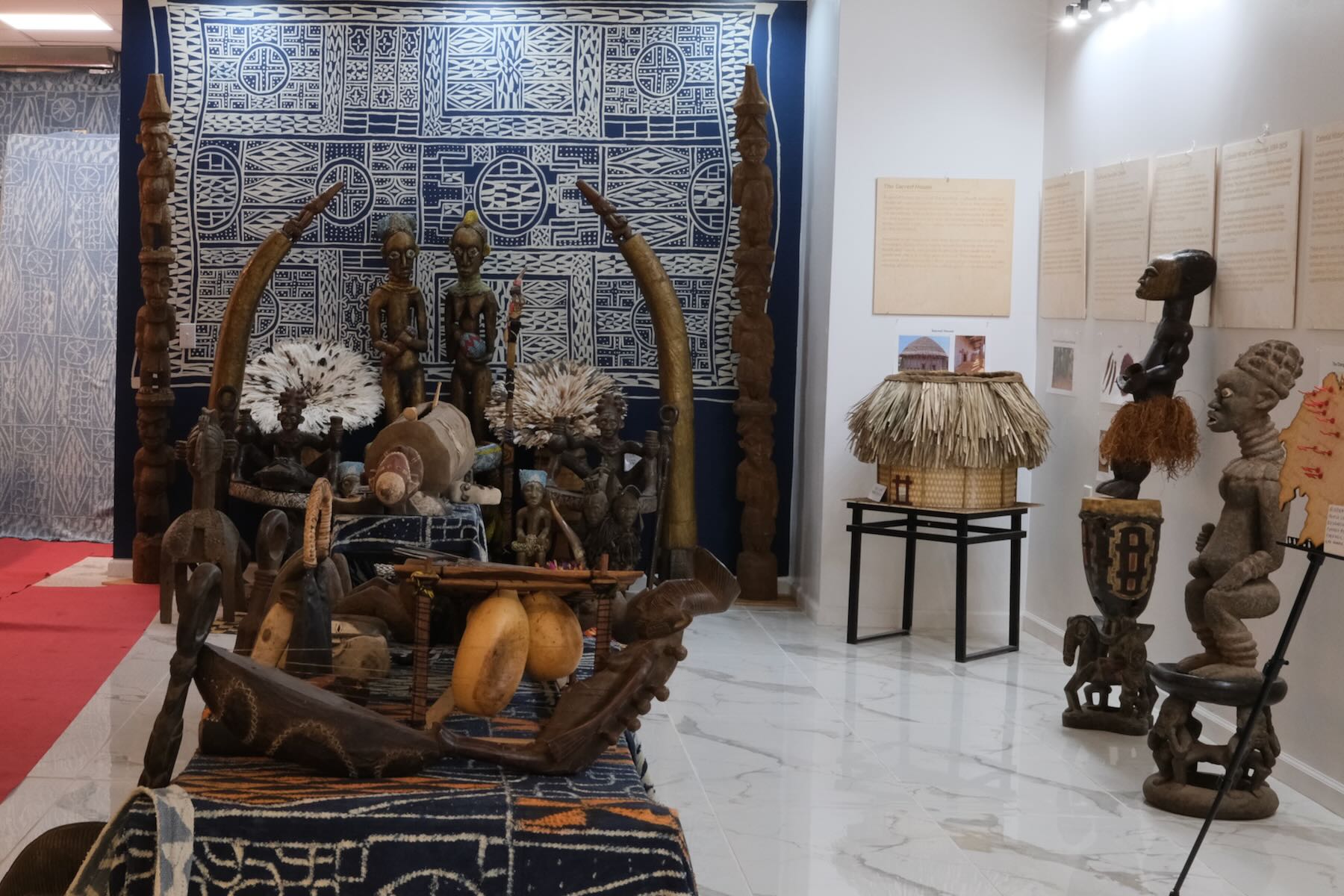
The International Museum of the Bamiléké Genocide, at 713 Penn Avenue in Wilkinsburg, Pennsylvania (just east of Pittsburgh), is the first and only museum commemorating the genocide perpetrated on the Bamiléké people of Cameroon by the French colonial regime beginning in 1955. Its exhibits trace Cameroon's colonial history under Germany and France, the suppression of the Union of the Peoples of Cameroon (UPC), and the killings that followed, alongside Bamiléké culture, languages, spirituality, and traditions such as the sacred house and the shùa'a mutual-savings practice. The museum also hosts workshops, storytelling, lectures, family activities, and school programs, offered in person, online, or hybrid. Visitors enter at the rear door, with the museum entrance and parking on Taylor Way. It is open only by appointment and during special events. Register through the museum's online form or call 412-938-5894. Accessibility details are not published, so raise any access needs when you book.
Getting To and From
Getting To and From
Find essential details on parking, drop-off points, and accessibility to make your visit smooth and hassle-free.
Check the table below for more information.
Check the table below for more information.
Inside the Venue
Get to know what to expect indoors—from seating layouts to restrooms and concessions.
Onsite Accessibility
Learn about ramps, elevators, restrooms, and other accessible features available during your visit
Our Guidelines
1. Make Accessibility Info Easy to Find - Dedicated Website Accessibility Page
Clearly post detailed accessibility information online, covering parking, entrances, interior pathways, site plans, and more.
2. Include All Mobility Devices
Consider walkers, canes, crutches — not just wheelchairs. Provide specifics for a variety of mobility needs. Include people who use different devices in the conversation.
3. Go Beyond ADA Compliance
ADA is the minimum. Strive for real-world accessibility through thoughtful design and ongoing improvements.
4. Visibility = Accessibility
If disabled visitors aren't present, barriers may exist. Transparency and preparation are the keys to inclusion. Empower everyone to attend.
Latest Places
Oct 14 2026
Sep 30 2026
Sep 30 2026

Leave Your Comment Here