
 Accessibility Information
About
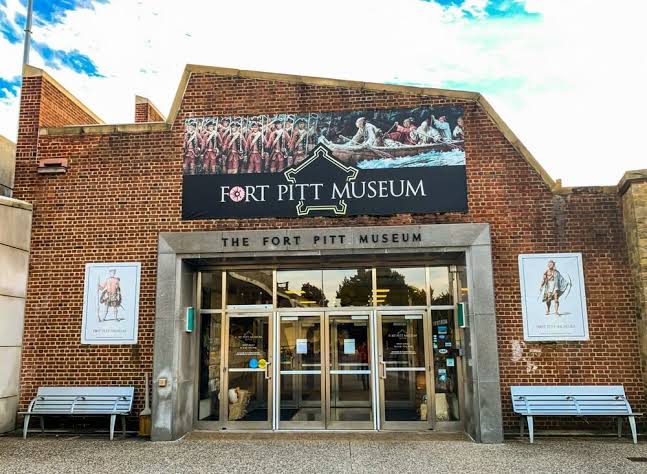
The Fort Pitt Museum sits inside Point State Park at 601 Commonwealth Place in Downtown Pittsburgh, and it tells the story of Western Pennsylvania's role during the French and Indian War, the American Revolution, and the founding of Pittsburgh through interactive exhibitions, life-like figures, and 18th-century artifacts. It is part of the Heinz History Center family of museums, a Smithsonian Affiliate, and the Pennsylvania Department of Conservation and Natural Resources runs the surrounding park in collaboration with the History Center and the Fort Pitt Society of the Daughters of the American Revolution. Galleries span two floors and include Pittsburgh's Revolution, Fort Pitt: Keystone of the Frontier, and the Diorama and Trader's Cabin, with two closed-captioned films in the second floor gallery. In the summer months, colonial reenactors demonstrate 18th-century life out in Point State Park. The museum is open daily from 10 a.m. to 5 p.m. and closes on New Year's Day, Easter, Thanksgiving, and Christmas. Admission is $10 for adults, $8 for seniors 65 and over, and $6 for students with a valid school ID, while all children 17 and under enter free year round through the Kamin Free for Kids Initiative. Reaching the museum means walking: it sits within the park, entered by the footpath from Commonwealth Place crossing under the portal bridge, and the museum does not own or operate any parking of its own.
Getting To and From
Inside the Venue
Getting To and From
Find essential details on parking, drop-off points, and accessibility to make your visit smooth and hassle-free.
Check the table below for more information.
Check the table below for more information.
Inside the Venue
Get to know what to expect indoors—from seating layouts to restrooms and concessions.
Onsite Accessibility
Learn about ramps, elevators, restrooms, and other accessible features available during your visit
Our Guidelines
1. Make Accessibility Info Easy to Find - Dedicated Website Accessibility Page
Clearly post detailed accessibility information online, covering parking, entrances, interior pathways, site plans, and more.
2. Include All Mobility Devices
Consider walkers, canes, crutches — not just wheelchairs. Provide specifics for a variety of mobility needs. Include people who use different devices in the conversation.
3. Go Beyond ADA Compliance
ADA is the minimum. Strive for real-world accessibility through thoughtful design and ongoing improvements.
4. Visibility = Accessibility
If disabled visitors aren't present, barriers may exist. Transparency and preparation are the keys to inclusion. Empower everyone to attend.
Latest Places
Oct 14 2026
Sep 30 2026
Sep 30 2026

Leave Your Comment Here