 Accessibility Information
About
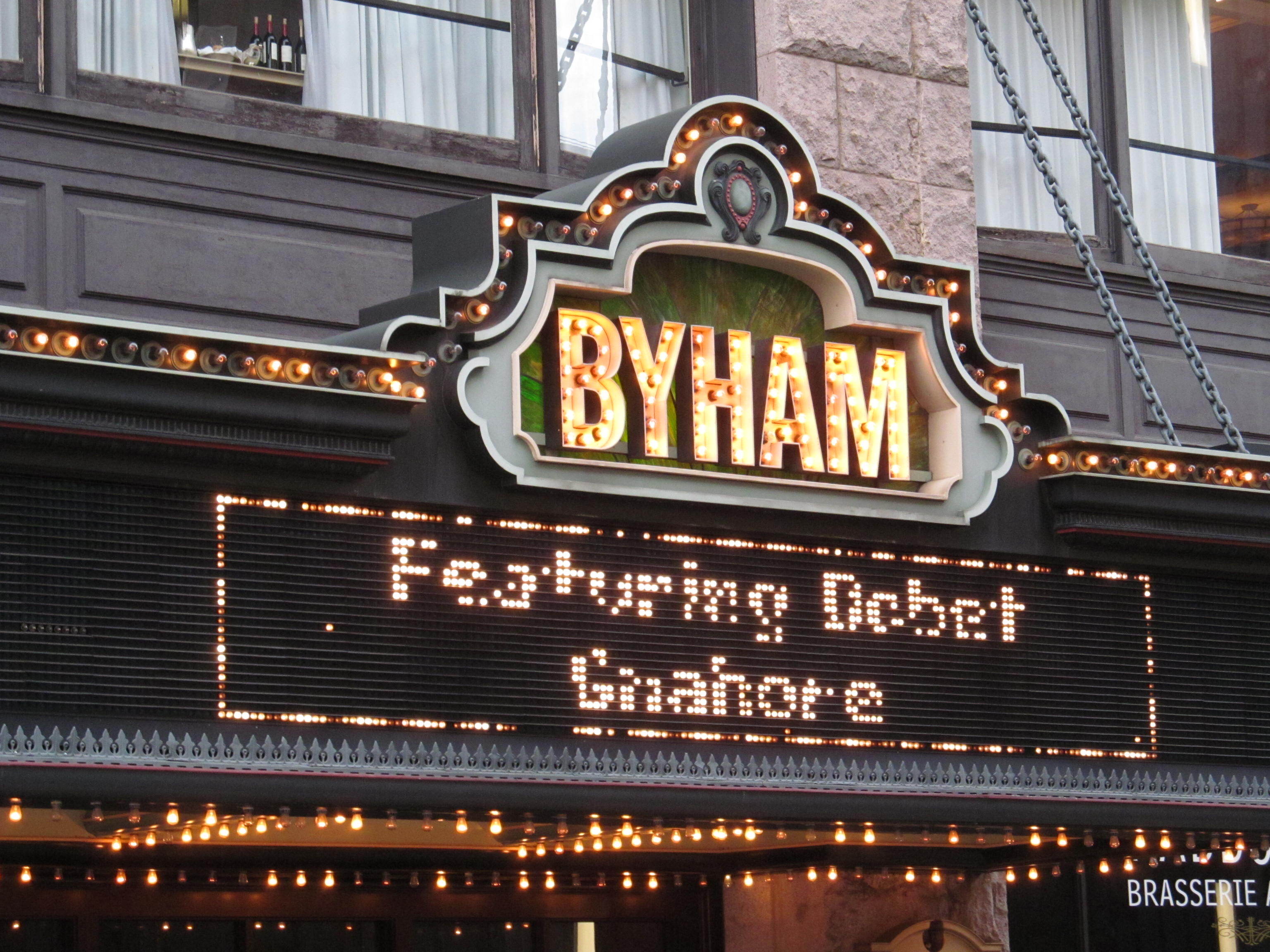
The Byham Theater is a 1,300-seat theater at 101 Sixth Street in Pittsburgh's Cultural District, operated by the Pittsburgh Cultural Trust. It was built in 1903 as the Gayety Theater and opened on Halloween night 1904, running for years as one of the country's foremost stage and vaudeville houses with appearances by Ethel Barrymore, Gertrude Lawrence, and Helen Hayes. In the 1930s it was renamed The Fulton and became a full time movie theater. The Trust bought it, renovated it, and reopened it in May 1991, then renamed it the Byham Theater in 1995 following a naming gift from William C. and Carolyn M. Byham. Today it hosts dance, music, theater, film, and family-friendly events year round. The renovation history matters for access: the second phase in 1995 brought new restrooms, a new box office, a marquee, an elevator, lobby improvements, and facade changes, the Cherub Lobby was restored in 1997, and the third phase in 1999 updated the rigging, enlarged the orchestra pit, and replaced the HVAC. Wheelchair accessible seating and restrooms sit on the orchestra level. The catch is the elevator, which reaches the lower lobby and the top of the balcony only, not every level. All guests pass through security screening before entry. To request accommodations, call Guest Services on 412-456-6666, and submit anything needing coordination at least two weeks ahead.
Getting To and From
Inside the Venue
Location
Getting To and From
Find essential details on parking, drop-off points, and accessibility to make your visit smooth and hassle-free.
Check the table below for more information.
Check the table below for more information.
Inside the Venue
Get to know what to expect indoors—from seating layouts to restrooms and concessions.
Onsite Accessibility
Learn about ramps, elevators, restrooms, and other accessible features available during your visit
Our Guidelines
1. Make Accessibility Info Easy to Find - Dedicated Website Accessibility Page
Clearly post detailed accessibility information online, covering parking, entrances, interior pathways, site plans, and more.
2. Include All Mobility Devices
Consider walkers, canes, crutches — not just wheelchairs. Provide specifics for a variety of mobility needs. Include people who use different devices in the conversation.
3. Go Beyond ADA Compliance
ADA is the minimum. Strive for real-world accessibility through thoughtful design and ongoing improvements.
4. Visibility = Accessibility
If disabled visitors aren't present, barriers may exist. Transparency and preparation are the keys to inclusion. Empower everyone to attend.
Latest Places
Sep 16 2026
Sep 16 2026
Sep 2 2026

Leave Your Comment Here