 Accessibility Information
About
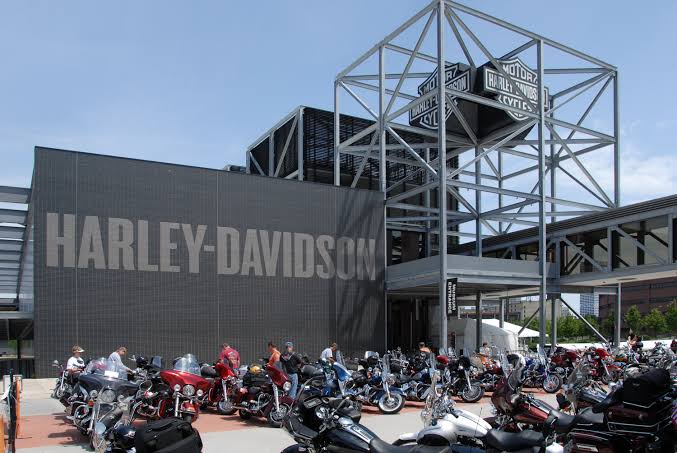
The Harley-Davidson Museum is the only H-D Museum in the world, on a 20-acre campus at 400 W. Canal St. in downtown Milwaukee, the city where William Harley and Arthur Davidson started building their first motorcycle in a 10 by 15 foot wooden shed in 1903. Opened in 2008, it tells more than 120 years of the company's story across two floors of motorcycles, rare memorabilia, hands-on exhibits and special exhibits, and the campus also holds MOTOR Restaurant, the H-D Shop, the H-D Factory Outlet and the 1903 Events rental spaces. The museum is open daily from 10 a.m. to 5 p.m. Its Accessible Guest Services section is short but clear: accessible parking is available throughout the campus, wheelchairs, power chairs and mobility scooters are welcome, complimentary wheelchairs are offered on a first-come, first-served basis, service animals as defined by the ADA are permitted, and dining areas, museum floors and restrooms are described as fully accessible. On-site parking is free, and buses and shuttles have their own drop-off area. What the museum's own pages never describe is the entrance itself. Visit Milwaukee's listing adds sidewalk ramps and one automatic accessible door, without saying where that door is. For anything else, the museum asks you to contact it ahead of your visit on 877-436-8738.
Getting To and From
Inside the Venue
Location
Getting To and From
Find essential details on parking, drop-off points, and accessibility to make your visit smooth and hassle-free.
Check the table below for more information.
Check the table below for more information.
Inside the Venue
Get to know what to expect indoors—from seating layouts to restrooms and concessions.
Onsite Accessibility
Learn about ramps, elevators, restrooms, and other accessible features available during your visit
Our Guidelines
1. Make Accessibility Info Easy to Find - Dedicated Website Accessibility Page
Clearly post detailed accessibility information online, covering parking, entrances, interior pathways, site plans, and more.
2. Include All Mobility Devices
Consider walkers, canes, crutches — not just wheelchairs. Provide specifics for a variety of mobility needs. Include people who use different devices in the conversation.
3. Go Beyond ADA Compliance
ADA is the minimum. Strive for real-world accessibility through thoughtful design and ongoing improvements.
4. Visibility = Accessibility
If disabled visitors aren't present, barriers may exist. Transparency and preparation are the keys to inclusion. Empower everyone to attend.
Latest Places
Sep 30 2026
Sep 30 2026
Sep 30 2026

Leave Your Comment Here